Advertising and websites for local services
Someone looking for transport, a repair shop or a nearby store often has a specific need and little time to spare. They want to know quickly whether you can help, where you operate and when you are available.
The challenges in your industry
Customers find competitors before they find you
Budget spent on searches outside your service area
Opening hours and contact details buried on mobile
How we help
We focus ads on the services people search for and the areas where you can take on customers. We build a mobile-friendly website with your offer, opening hours and location easy to find, so people can call, request a quote or get directions. Explore our local advertising and website services and see the linked case study.
What helps a local search become an enquiry
Local searches do not all express the same intention. A traveller may compare transfers before arriving in the country. Someone looking for a workshop wants to know whether it can handle their problem. A shopper checks whether a product seen in an advert is available at a convenient store. The page needs to address that specific situation.
For transport, useful details include routes, luggage and how a request is confirmed. For a workshop, customers need to understand which jobs are accepted and what information an assessment requires. For a shop, product availability and clear visiting instructions matter. We do not overload every page with every service when someone has arrived for a particular reason.
Language can also affect the decision. If you work with visitors or different communities, carefully translated pages should provide consistent information and the same route to contact. We avoid advertising in one language while leaving essential booking details available only in another.
We review the journey from the advert's message to the intended action. If you use WhatsApp, people should know which details to send and whether their message is a request or a confirmed booking. If you want store visits, website details should match your business profile. Consistency helps customers decide without looking elsewhere for clarification.
How we match the advertising channel to the action
In local services marketing, we choose the channel around what you want people to do and when their need arises. Google Search can suit explicit searches for a service and a location. We build the message around your actual offer and direct visitors to a page that answers that search.
For a business with physical premises, we also review the information on Google Maps. Your business profile and landing page should provide consistent details. We check the address, opening hours, entrance location and contact options so people can plan their visit and find your premises easily.
Facebook and Instagram can help people discover a product or service through images, demonstrations and clearly explained offers. We propose enquiry campaigns when you need details before confirming a service. For products available in a shop, the message can direct people to location information, provided stock and staffing support the promotion.
TikTok is worth testing only when you have suitable material and a clear reason for that audience to respond. We do not add it simply because it is available. Our plan considers your service area, customer languages and how you complete a sale. A booking campaign needs a different page and measurement approach from a campaign inviting people into a shop.
What we measure when customers call, message or visit
For a local business, the outcome may happen away from the website form. A customer calls, sends a message or walks into the premises. We therefore establish which actions can be measured online and which information your team needs to add, so reporting reflects actual business activity as closely as possible.
We track actions such as submitted enquiries, clicks to contact you on WhatsApp and requests for directions where measurement is available. We organise reporting by stage: opening a contact option, speaking with your team and confirming the service. Confirmed bookings and sales are tracked separately when the necessary data is available.
For contacts, we assess cost and relevance: the requested service, location and your ability to accept the work. For physical premises, we discuss how staff can consistently record the source customers mention. We group responses by location and product sought to identify the messages customers mention during their visit.
Measurement also needs to reflect applicable consent and personal data requirements. In the weekly report, we bring together costs, enquiries and team feedback on availability and confirmations. If a campaign generates interest in an unavailable product, we change the message or stop it. If messages do not become bookings, we examine the page's explanations and the confirmation process. Reporting then becomes practical support for your decisions.
From WhatsApp booking enquiries to store sales
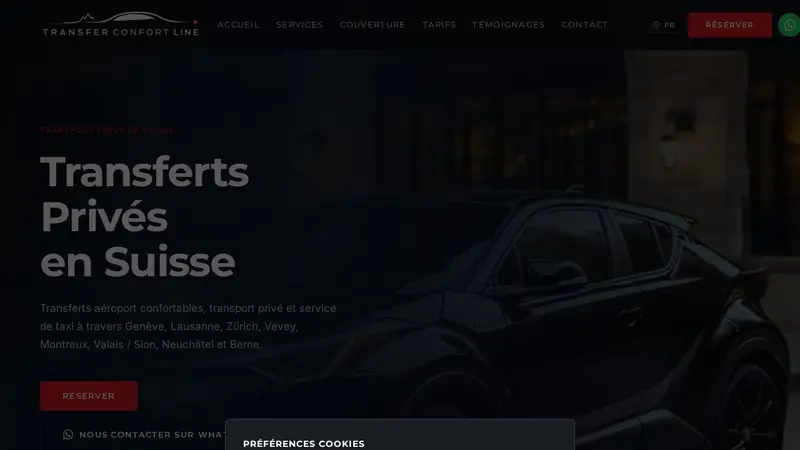
Local projects can have different goals while starting with the same question: how does a customer move from interest to action? For Transfer Confort Line, a private transfer business in Switzerland, we built a multilingual website. The documented result is a live, premium, multilingual website with simplified bookings through WhatsApp and compliant measurement.
For your transport service, we propose a prefilled WhatsApp message with the pickup point, destination, date, time and luggage details. What you can apply is presenting your service in your customers' languages and explaining which details a request requires. Your team should be able to pick up the message and continue the conversation easily.
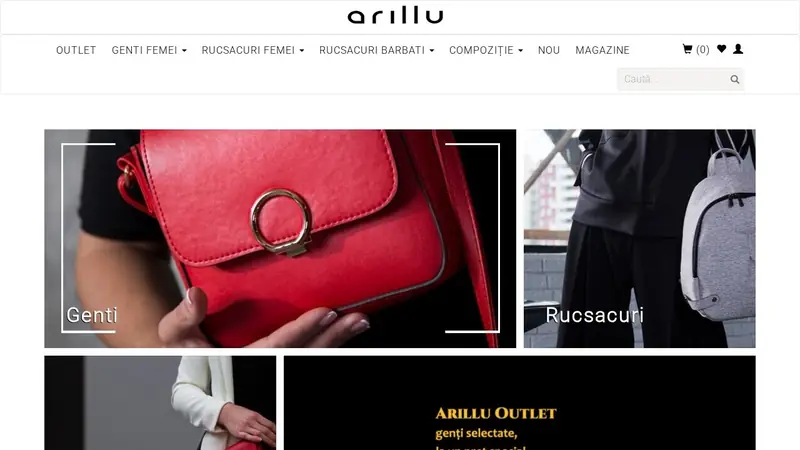
For Arillu, we worked on local promotion for its leather bag and handbag shops, directing people towards the locations through Google Maps. The reported result is a clear local marketing direction and ~100 in-store sales from a single campaign, stopped only because stock ran out.
The lesson for your business is to connect promotion with what you can deliver at that moment. If you invite people into a shop for a product, check its availability. If you invite them to book a service, clarify the confirmation process. We start with this connection between the advert, the page and your team's work, then choose what is worth testing for your situation.