Advertising and marketing for dental clinics
Patients look beyond price: they want to know who will treat them, what treatment involves and whether they will feel comfortable. Those travelling from abroad also need clarity on language, travel arrangements and care once they return home.
The challenges in your industry
Price enquiries that never become consultations
Treatments that are hard to explain without medical jargon
Uncertainty about travel and follow-up care
How we help
We create ads for the treatments and markets that fit your clinic, using clear messaging without overstated medical promises. We build pages that introduce your team, explain how to arrange a consultation and answer questions from local and overseas patients. Explore our advertising and website services and see the linked case study.
What helps a patient enquire about a consultation
Searches for dental services may start with an immediate need, a clinician's recommendation or a wish to understand the available options. Dental clinic marketing needs to reflect that context. Someone looking for a local consultation has different questions from someone considering travelling for treatment.
On the page, we make practical information easy to find: location, languages spoken, contact options and what happens after an enquiry is submitted. We present team qualifications using information confirmed by the clinic. The clinical team reviews service explanations so that marketing copy does not replace individual assessment.
The ad should prepare people for the next step. If it invites them to request a consultation, the page explains how to do that and how confirmation works. If it introduces a particular service, the page provides context and makes clear that recommendations depend on a consultation. We avoid wording that presents a medical outcome as certain.
For patients travelling from abroad, we clarify what the team can explain before travel and what requires an examination. Completing a form is not presented as confirmation of suitability for treatment. Our role is to support an informed conversation with the clinic. Medical decisions remain between the patient and the professionals assessing them.
How we choose advertising channels and markets
Google Search can suit searches with clear intent, such as finding a clinic in a particular area or requesting a consultation. We organise campaigns around the services being advertised and check the connection between search, ad and page. We exclude terms that do not match the clinic's offer to limit spending on unsuitable enquiries.
For a local clinic, we assess the area from which patients can realistically travel. For dental tourism, we consider the target country, message language and the team's ability to handle conversations separately. Translating an ad does not resolve every difference between markets. The page, form and team response need to support the same communication.
On Facebook and Instagram, we may test campaigns introducing the clinic, its team and what a consultation involves. Explanatory content can help people who are still researching. We choose forms and ad destinations around the information needed and applicable requirements, avoiding unnecessary requests for medical information.
We do not assume every channel belongs in the plan. TikTok may be considered where suitable educational content and production resources exist. Before launch, we check the platform's current requirements for the advertised service. Campaign choices start with the clinic's objective and its capacity to respond to enquiries.
From a submitted form to a confirmed appointment
A submitted form is not the same as a confirmed appointment. For dental clinic marketing, we separate the stages so you can see where advertising helps and where conversations stop. We track enquiries, valid contacts and confirmed appointments where the team can record that information consistently.
Cost per enquiry is useful, but it cannot tell you on its own whether advertising is reaching suitable people. Together, we check whether requests concern available services, come from the intended market and include usable contact details. A duplicate enquiry or an unrelated message should not be treated as a new opportunity.
What happens after contact matters too. We agree with the team how enquiries are handled and how conversation outcomes are recorded. If people do not receive a response or do not understand the next step, changing the ad may not resolve the problem. We also review confirmation messages, forms and page information.
Measurement needs careful attention to privacy. To assess campaigns, we focus on events and contact stages without using diagnoses or treatment details as advertising information. In the weekly report, we track cost per enquiry, contacts followed up and confirmed appointments. Our reporting should help you make marketing decisions while keeping clinical assessment within the clinic's processes.
FlySmile Clinic: correcting the market and tracking
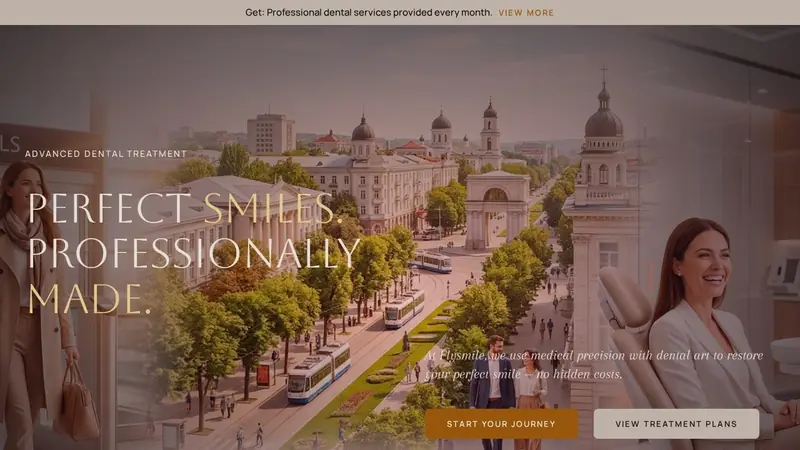
FlySmile Clinic provides dental tourism services for patients from Italy and Germany. In the case presented, we fixed the tracking and moved the campaign to the right market. The documented result is compliant tracking and budget redirected to the correct market. For your clinic, we organise campaigns by country and language, with pages addressing patient questions in each market.
The lesson for your clinic starts before interpreting reports. When measurement is not working, the data may give an incomplete picture of what happens after a click. When the wrong market is selected, ads may reach people the team cannot serve under the conditions presented. These issues require different checks.
You can apply this by reviewing the full journey: target country, ad language, destination page and enquiry handling. Check that the information is consistent and that the person responding can continue in the promised language. On the page, explain the steps towards a consultation, travel arrangements and how patients can contact the clinic after returning home.
We address measurement and campaign direction before drawing performance conclusions. Once those checks are complete, we can assess enquiries using the available data. In the weekly report, we review cost per enquiry, country of origin and contact status to decide where to adjust messaging and budget.