Advertising and websites for online stores
Shoppers compare products, check delivery details and look for reasons to trust you before buying. Ads bring visitors in, but your offer, product pages and checkout shape whether they buy.
The challenges in your industry
Paid traffic that does not turn into orders
Abandoned baskets when delivery costs appear
Discounts that drive sales but leave little profit
How we help
We build campaigns around products worth promoting, taking margins, stock and seasonality into account. We create or improve your store so product information, delivery and returns are easy to find, and checkout is straightforward. Explore our advertising and online store services, then see the linked case study.
What shoppers need to find on your product page
Someone searching for a product may already have a specific model in mind, or they may still be working out which option suits them. That distinction matters when advertising an online store. An ad responding to a precise search should lead straight to the relevant product. An ad introducing a category needs a page that makes the options easy to understand.
On the product page, we answer questions that could hold up a purchase. What are its dimensions? What is it compatible with? What comes in the package? Photos need to show the product clearly, including details that matter when using it. Where variants exist, we explain the differences without making shoppers contact your team.
Our ads use arguments the page can support. If we present a product for a particular need, visitors should find the same explanation after clicking. We avoid generic claims that could describe any store and focus on details relevant to the category.
We also check the experience on a phone. We follow variant selection, adding to the basket and entering customer details. An unanswered question or an unclear field can interrupt an order. We speak with the team handling customer enquiries, because those conversations often reveal what the page is missing.
How we choose between Google, Meta and email
For online store marketing, we choose channels around how people buy your products. Google Search can suit shoppers actively looking for a category, brand or model. We group searches by intent and send visitors to relevant pages. We also review search terms that spend budget without matching your offer.
For a product catalogue, we may use Shopping or Performance Max campaigns, depending on the objective and available data. Before launch, we check the information sent to Google: product names, images, availability and product links. An incomplete catalogue can make an ad less relevant even when the product fits the search.
On Facebook and Instagram, we work with demonstrations, products shown in context and explanations of how they are used. These can help people discover a product or understand differences between variants. We can test sales campaigns and catalogue ads with messages tailored to the products. Retargeting depends on consent and available audiences.
Email supports advertising through communication with people who have agreed to receive messages. This may include complementary products or stock updates. We consider TikTok when a product lends itself to natural video demonstrations and content resources are available. We do not spread the budget across channels simply to maintain a presence everywhere.
How we connect advertising with store orders
To understand whether advertising works for your online store, you need more than visits and products added to baskets. We start with recorded orders and check whether their values reach the measurement tools correctly. An order reported repeatedly can change the account's apparent performance without any additional sales.
We track cost per order, order value and ROAS: revenue attributed to advertising relative to advertising spend. ROAS does not represent store profit. We consider it alongside margins, cancellations, returns and the costs that matter to your business. A product generating plenty of orders is not automatically the right product for a larger budget.
We compare platform reports with store information. Differences can come from attribution methods or measurement limitations. We explain them before drawing conclusions and avoid adding together channel revenue as though each platform were reporting separate orders.
When performance changes, we look for where the problem appears. Have relevant visits declined? Do shoppers reach a product but go no further? Do they stop during checkout? We work on the issue we observe and monitor what happens after the change. This keeps the conversation about results connected to sales and the decisions you need to make.
Regal Pet: optimising for real sales
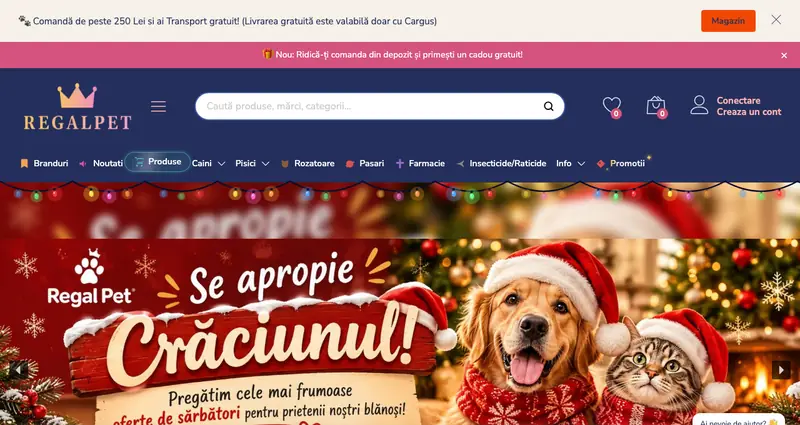
For Regal Pet, an online pet supplies store, we worked on Google Ads campaigns with a focus on real sales. The case study reports account ROAS moving from 8,2x to ~13x, Performance Max peaks of 14-18x, monthly sales above 270.000 RON and a monthly advertising budget of ~3.400 € (below 6% of revenue).
For your store, the weekly report brings together spend, orders, order value and ROAS at both account and campaign level. We assess which categories generate sales and check stock before recommending a budget increase. This connects each adjustment to available products and their margins.
The practical lesson is to orient optimisation towards orders and their value. Before pursuing more traffic, check that purchases are recorded correctly. Then examine the products being promoted, their availability and their contribution to the business. For pet supplies, the page should clarify the suitable species, size or life stage, quantity and delivery terms.
Within campaigns, we group products by category and their role in your range, with messages tailored to the shopper's needs. For your store, we start with the existing situation and decide what is worth testing. Your products and account data guide the next steps.